

Google Search Console isn’t the simple dashboard it used to be. What was once a place to check clicks, impressions, and keyword rankings has turned into something closer to an intelligent reporting system — one you can query in plain language, one that tracks your visibility inside AI-generated search results, and one that hands site owners direct control over how their content gets used to power AI answers. If you want to stay competitive in 2026, understanding how AI and Search Console now work together isn’t really optional anymore — it’s essential.
This guide breaks down the main ways AI is woven into Google Search Console today, and how you can put each feature to work in your SEO strategy.
1. Natural-Language Report Layout
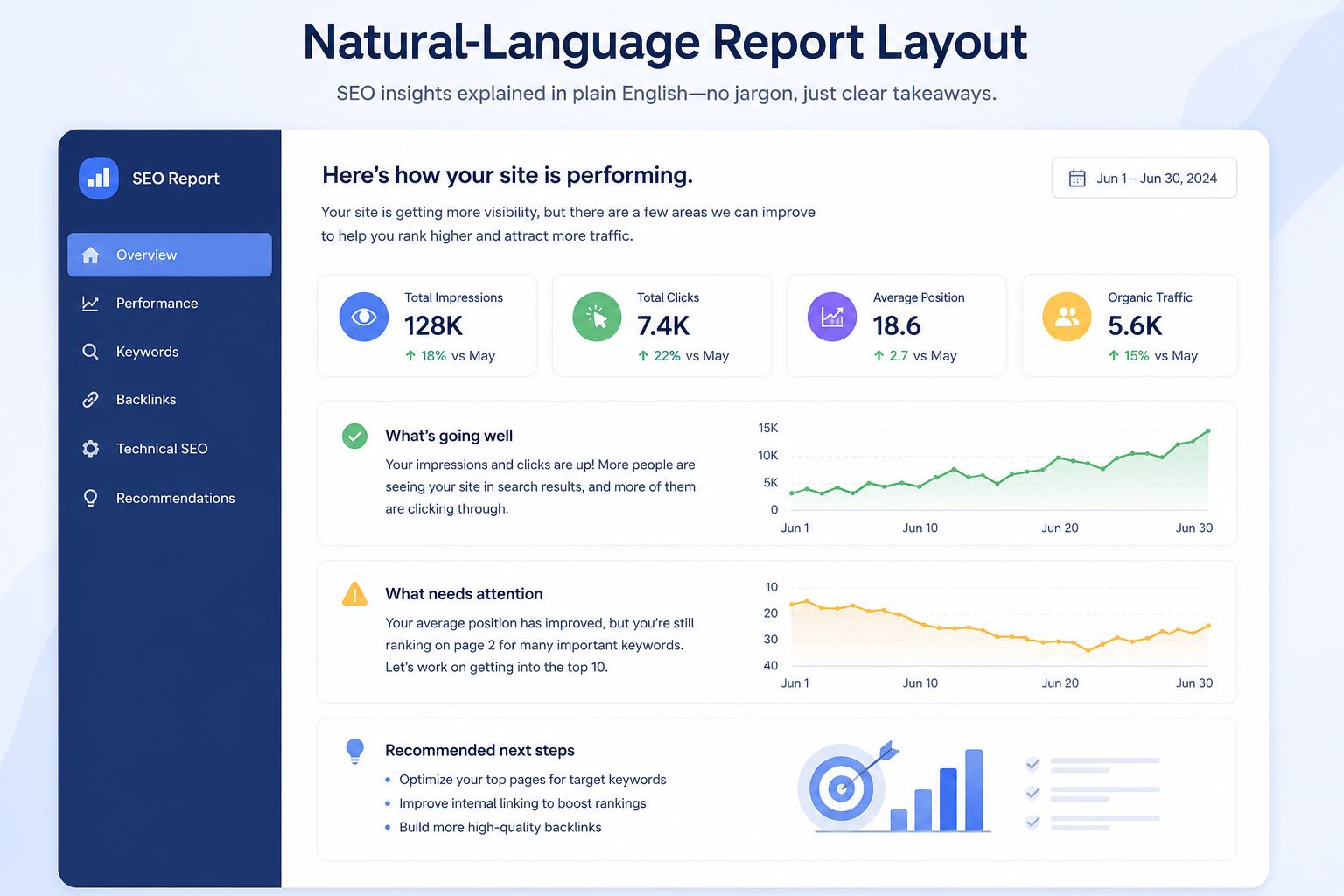
One very practical AI improvement is the internal search console that is able to create performance reviews in undeniable English rather than clicking through one filter and dropdown menu after another.
Instead of manually setting up date digits, device filters, and query blocks, you can just ask for “show cellular queries with too many impressions but low click-through value in the last 28 days,” and the AI lays out the file for you.
This feature began as a forced test to drop 2025 before rolling out globally to all Search Console customers through February 2026. It saves real time for entrepreneurs who constantly reduce performance information a sort of look, and it lowers hurdles for beginners who won’t know exactly what filters to use to get the answer.
How to use it effectively:
- Be specific about the metric you care about (impressions, clicks, CTR, or position).
- Include the time frame you want analyzed.
- Ask follow-up questions in the same conversational style to refine the report further, rather than starting over manually.
2. Tracking Visibility Inside AI Overviews and AI Mode
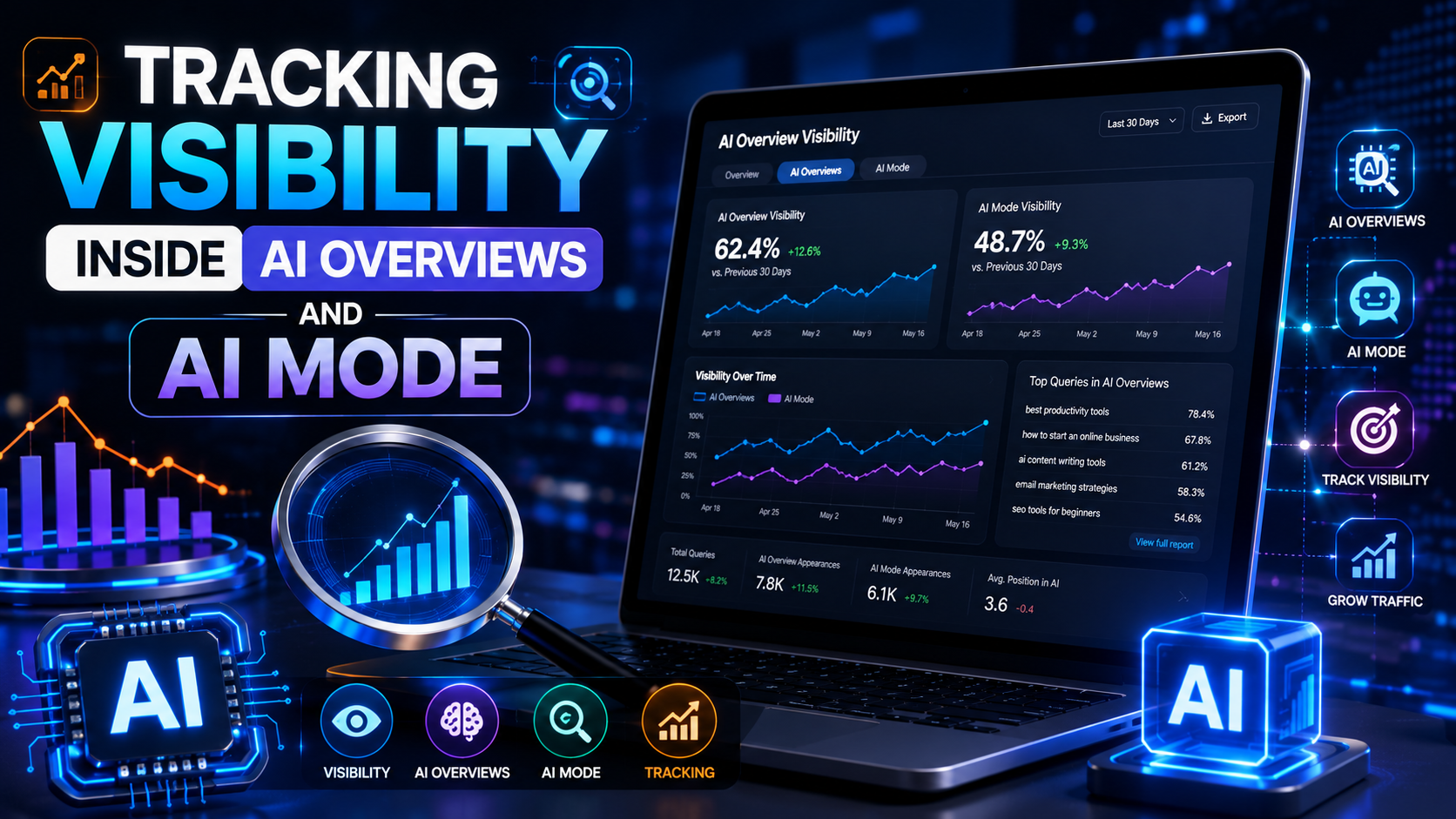
Perhaps the biggest recent change is Google’s introduction of a dedicated Search Generative AI Performance report inside Search Console, launched in June 2026. For nearly two years, site owners had no reliable way to know whether their pages were appearing inside AI Overviews or AI Mode, Google’s conversational, AI-generated answers that now reach billions of monthly users. This new report finally closes that gap.
The report isolates impression data specifically generated from three AI surfaces: AI Overviews and AI Mode within core Search results, and generative AI features inside Google Discover. It shows how often your URLs appeared, broken down by page, country, device, and time period, ranging from hourly to monthly views. Importantly, this isn’t new data being collected for the first time — these impressions were already folded into your overall performance totals. What’s new is the ability to see that subset in isolation, separate from traditional blue-link organic performance.
Key Limitation: The report currently shows impression data only. Click, CTR, and query-level data for AI surfaces have not yet been released.
How to use it effectively:
- Check the new AI-specific report regularly alongside your standard Performance report to understand the split between traditional organic visibility and AI-surface visibility.
- Compare which pages perform well in classic search versus which ones are being pulled into AI Overviews, since the content types that succeed in each can differ.
- Treat this as an early-stage tool. As Google adds click and query data in future updates, your ability to measure real ROI from AI visibility will improve significantly.
3. Controlling Whether Your Content Appears in AI Features

Alongside the new reporting, Google introduced a toggle inside Search Console that lets website owners decide whether their content can be used to ground responses in AI Overviews, AI Mode, and AI-powered Discover features. This is a significant shift because, until now, site owners had little direct control over how their content was being repurposed inside AI-generated answers.
If you opt out using this control, your site will no longer receive impressions or traffic from those generative AI features. Google has clarified that this setting is not used as a ranking signal for standard search results, meaning opting out will not hurt your visibility in classic organic search. This gives publishers a genuine choice rather than an all-or-nothing tradeoff.
How to use it effectively:
- Evaluate whether AI Overviews visibility is currently sending you meaningful traffic before deciding to opt in or out.
- For content-heavy publishers relying on ad revenue or affiliate clicks, weigh the tradeoff carefully, since AI answers can sometimes summarize your content without ever sending a visitor to your site.
- Revisit this decision periodically, since Google has indicated further metrics and expanded access are planned over time.
4. Using AI Tools Alongside Search Console Data
Beyond Google’s native features, many SEOs now export Search Console data into external AI tools for deeper analysis — using AI to detect ranking anomalies, cluster keyword opportunities, summarize month-over-month trends, or generate content briefs based on underperforming queries. While this workflow isn’t built directly into Search Console, it pairs naturally with the platform’s new natural-language querying and AI visibility reports, creating a more complete picture of both traditional and AI-driven search performance.
How to use it effectively:
- Export query and page data regularly and feed it into an AI analysis tool to identify patterns you might miss manually.
- Use AI to help prioritize which pages to update first, based on impression and position trends.
- Combine AI Overviews visibility data with your content calendar to decide which formats and topics are more likely to get pulled into AI-generated answers.
Final Thoughts
Google Search Console is no longer just a reporting dashboard — it’s becoming a genuine AI-assisted control center for your site’s presence across both traditional and generative search. From natural-language report building, to dedicated AI Overviews visibility tracking, to the new opt-out toggle, site owners now have more insight and control than ever before. The tools are still maturing, particularly around click and query-level data for AI surfaces, but the direction is clear: understanding and actively managing your visibility inside AI-powered search is quickly becoming a core part of modern SEO.
Staying current with these features — and checking Search Console’s AI-specific reports regularly — will put you ahead of competitors who are still treating Search Console as a static, click-only reporting tool.