

Introduction
Artificial intelligence is changing the way college students, bloggers, and content content creators write on line. Many people these days are using AI gear to create more essays, weblog posts, emails, and social media content than ever before. Yet AI-generated text can regularly sound robotic, repetitive, or unnatural.
In some cases, faculty, websites, and AI detectors can understand machine-written content effortlessly. This is why AI humanizing tools are becoming more popular. Online tools These tools help rewrite AI-generated text into more herb-readable, human-like writing. They improve the waft of a sentence, stop robotic patterns, and make content material sound more real.
For college students, AI humanization tools can help enhance assignments and make handwriting more doable and simpler to understand. For bloggers, they can create more engaging articles that readers enjoy and search engines trust.
In this booklet, we’ve tested and reviewed high-quality AI humanization gear for college kids and bloggers. We compare their functions, ease of use, pricing, and writing to help you choose the appropriate machine for your needs.
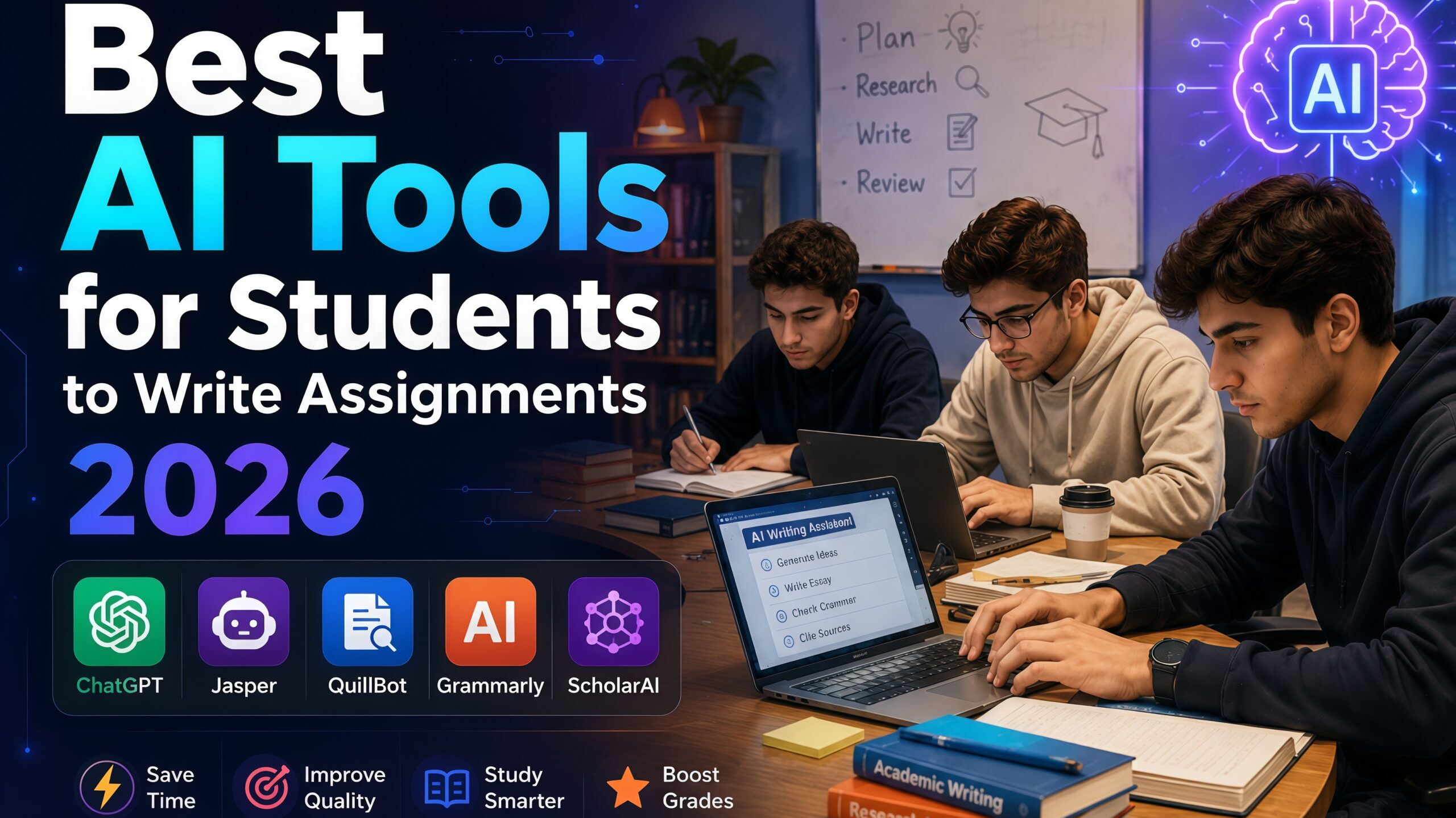
1. ChatGPT
ChatGPT might be the most well-known AI authoring tool today, and really, there’s a reason for that. It can help you write blog posts, answer questions, create ad reproduction, summarize articles, or even brainstorm ideas when your mind goes clear.
What makes it useful is the conversational tone. Instead of producing harsh sentences, it often looks like talking to an actual assistant. Many writers use it to rush another draft instead of human creativity entirely.
However, high quality depends heavily on the inspiration you provide. A vague prompt generally creates plain material content, while at the same time some instructions produce much better results.
One factor I discovered with using ChatGPT is that however the best content comes from the inclusion of your personal stories afterwards. AI can shape ideas, but human stories make readers live longer on the web.
2. Jasper A.I
Jasper AI is every other effective writing assistant, especially for entrepreneurs and organizations. It focuses strongly on advertising and marketing copy, SEO writing, and long-form content content.
The platform provides templates for product descriptions, electronic mail campaigns, YouTube scripts and weblog introductions. This can save a lot of time for regularly established content creators.
What stands out about Jasper is his polished writing style. The sentences generally sound easy and professional. However, a few outputs can feel overly optimized until you edit them a bit.
For groups managing a couple of websites or consumer initiatives, Jasper could be the real answer due to its workflow features and collaboration content.
3. copy.ai
Copy.Ai is designed for speed and ease. If you’re battling writer’s block, this device can quickly generate ideas and rush content. Many social media managers use Copy.Ai for Instagram captions, Facebook ads, and brief promotional text content.
The interface is newbie-pleasant, which makes it smooth even for people who have by no means used AI tools before. One of the things I noticed when testing Copy.Ai is that it does a really exceptional job for brief new content content instead of deeply unique articles.
It shines when you need quick inspiration without overthinking. Sometimes, the hardest part of writing is undoubtedly getting started. Such tools help him to relieve his intellectual stress.
4. Writesonic
Writesonic has become popular among bloggers and SEO writers because it balances AI creativity with seo. The platform can generate articles, touchpages, or even AI pix. Additionally, Google has functions specifically designed to evaluate content content.
What I for my part favor about Writesonic is its flexibility. You can change the tone, writing fashion, and level of creativity depending on your target market.
No AI tool is the best yet. Occasionally, generated information may want to be double-checked, especially for technical or news-related issues. Human enhancement remains important.
5. Grammarly
Most humans think of grammar as just for grammar correction, but it’s evolved into tons more than that. Its AI-powered suggestions improve readability, sentence slippage and readability. Sometimes the difference between general content content and expert content isn’t the idea itself — it’s how smooth the writing reads.
Restoring grammar facilitates the awkward phrases that AI generators create every so often. I’ve in my view observed AI producing drafts and grammars being useful.
It catches small mistakes that can be easily overlooked when making changes in the long run. Good writing is often speculative refinement, no longer perfection in primary effort.
Why human editing still matters
AI writing tools are pretty useful, but they lack something crucial anyway: real human enjoyment. The machine can generate statistics, but cannot truly capture emotions, private struggles, late-night drawing sessions, or the pleasure of building something from scratch.
Readers connect with authenticity in addition to ideal grammar. That’s why a high-quality strategy combines AI performance with human creativity. Use AI to save time, prepare ideas, and overcome writer’s block — and shortly thereafter add your own characters, reviews, and real stories.
At the end of the day, humans don’t remember content as clever as it sounds. They keep satisfaction in mind as authenticity was felt.
Final Thoughts
AI writing tools are extremely useful, but they lack something crucial though: real human revel in. The system can generate facts, yet not really understand emotions, personal struggles, past-due-night drawing classes, or the excitement of creating something from scratch.
Readers connect with authenticity more than perfect grammar. That’s why the best method is to combine AI performance with human creativity. Use AI to store time, organize ideas, and overcome creator blocks — then upload your character, reviews, and real experiences for a while.
At the break of the day, people don’t mind the content because it sounds intelligent. They don’t forget the material content because it felt authentic.