

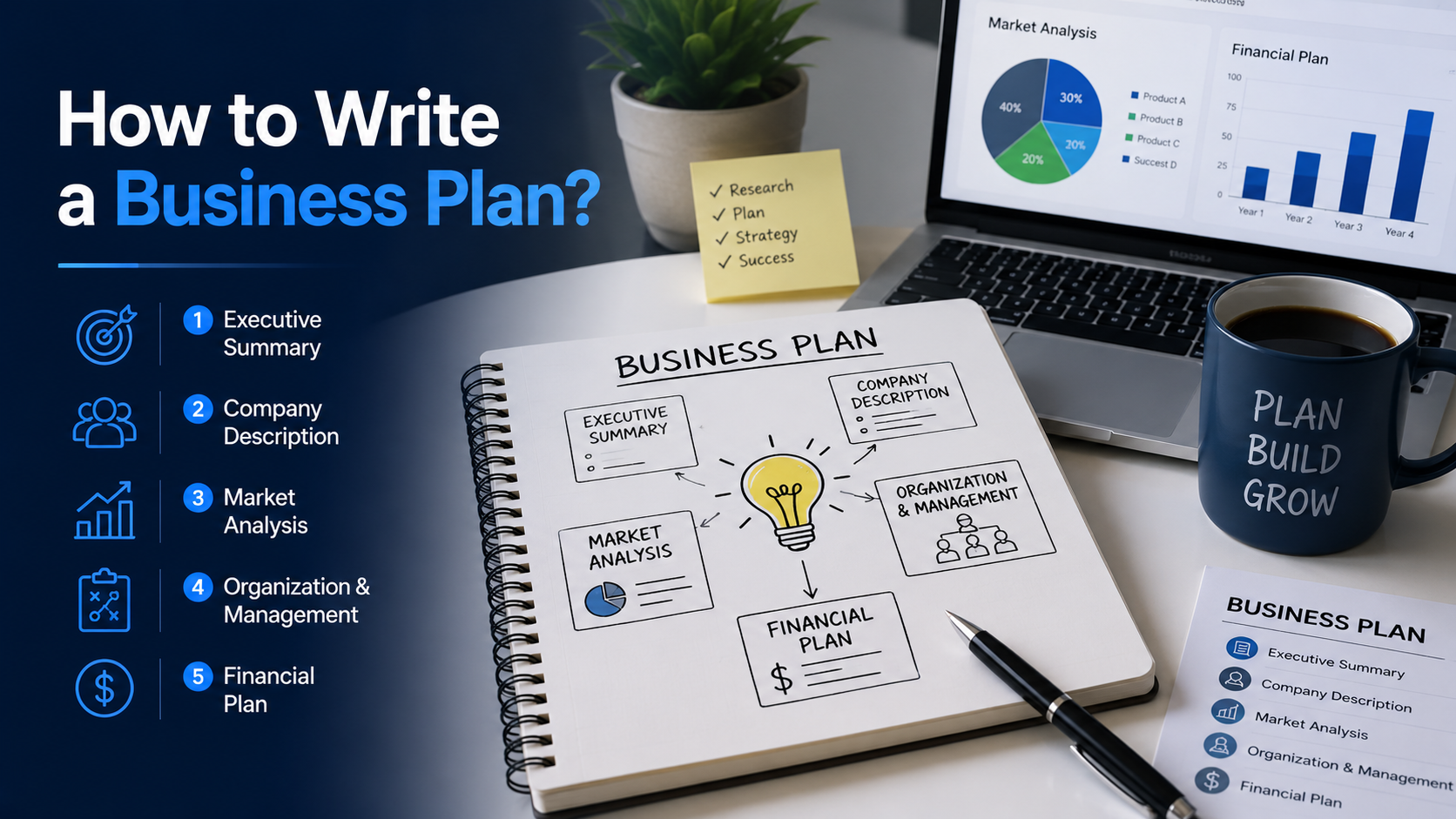
Introduction
Starting a business is a really cool thing to do but to actually make it work you need a good plan. A lot of people who try to market things do not do well because they do not have an idea of what they are doing. A good business plan is like a map that helps you turn your ideas into something. It helps you work towards your goals see how your business is growing and make decisions.
Whether you want to open a store in your neighborhood or start a big online business you need a good business plan. It is like a report that tells people about your business. It is also the way to get other businesses to work with you to get loans from banks and to get the money you need to make your business grow.
Making a business plan might seem hard at first. If you break it down into small steps it is not so bad. In this book we will show you how to make a business plan from the start. If you follow our steps you can make a plan that will help you manage your money and make your business successful in the long run.
You will be writing a business plan for your business. That is a good thing because a business plan is very important, for your business. Your business plan is what will guide your business and help you make choices for your business.
1. What is a Business Plan and Why Do You Need It?

A marketing strategy is a written file that describes your commercial venture identity, your immediate and long-term dreams, and your exact steps to achieve them. Think of it as a strategic roadmap that courses your corporation from an easy idea to a successful, growing brand.
Without this map, you risk wasting money and time without a clear route. A properly structured plan isn’t just a chore for beginners; it is the ultimate tool to shield your funding and construct your destiny.
The Main Reasons Why You Should Have a Business Plan:
- Clear Direction: It keeps you aiming for your central task, without distracting you through small problems.
- Smart Money Management: It allows you to calculate your startup fees and truly manage your cost range.
- Attracting Investors: High-capital investors and banks will by no means finance a venture without seeing an expert plan first.
- Risk Mitigation: Writing out your plan allows you to spot potential problems and demanding hidden market conditions before they harm your business.
2. Conduct Thorough Market Research

Before you invest your money, you have to understand the environment you are entering. Market study is the process of gathering information about your enterprise, your potential customers, and competitors who are already energetic in the space.
This solves the essential question: Is there a real call for what you want to promote? Starting a commercial venture without studying is like riding together with your eyes closed. This step enables you to know your ideal target audience and what they are willing to pay.
Important Steps for Effective Market Research:
- Identify your target audience: Know who your customers are, their age, their region, and what unique problems your product can clear for them.
- Analyze your competition: See what exceptional companies in your niche are doing well and, more importantly, what they are probably doing wrong.
- Know your market gap: Look for underserved areas within the current market that your organization can answer better, faster, or cheaper.
- Study enterprise developments: Understand when your marketplace grows, shrinks, or changes so you can put it together for destiny’s outrageous demand situations.
3. Define Your Business Structure and Offering

After you know your marketplace, it’s time to explain exactly what your commercial enterprise does and how far it is organized. This section identifies your corporate criminal base and the mediocre products or services you bring to the table.
It answers the fundamental question: What are you selling, and how will your enterprise operate day to day? Clearly defining your structure provides a business identity for your enterprise and helps you understand the roles and duties of each body involved.
Key Factors Included in Your Enterprise Structure:
- Identify the criminal structure: Decide whether your professional business enterprise can be a sole proprietorship, partnership, or limited criminal liability enterprise (LLC).
- Describe your supply: Clearly give clearly the merits, blessings, and pricing of your products or services, and the way they solve buyer problems.
- Define your management team: Highlight who is jogging the business, their unique capabilities, and how your internal team is organised.
- Highlight your USP: Identify your unique selling proposition, that is the exact reason why a patron should choose you over competitors.
4. Create a Solid Marketing and Sales Strategy

Having a top notch service or product is not always enough if no one is aware of its existence. Your advertising and sales strategy is a goal plan of how you will attract customers, penetrate the marketplace and generate sales.
It solves the final question: How will you discover your customers, and how can you get them to pay? A good technique bridges the space between your merchandise and your target marketplace, turning audiences into customers and buyers into loyal customers.
Essential Components of Your Marketing and Sales Strategy:
- Product Positioning: Define the way you want customers to view your symbol—will you offer a peak rate, high-deal option or a low-fee, rate-variety-exceptional solution?
- Promotional Channels: Decide which platforms you will use to reach your audience, which include social media, search engine optimization (search engine optimization), e-mail advertising and marketing, or neighborhood advertising.
- Pricing Strategy: Set a clear fee for your merchandise that covers your costs, defeats your opposition, and matches what your target market is willing to spend.
- Sales Process: Outline the exact steps a customer takes to shop for you, whether it’s through an internet e-business internet site, a physical funnel, or a direct income call.
5. Create a Realistic Financial Plan

The monetary plan is the backbone of your entire marketing strategy. It translates all your ideas, research, and advertising strategies into numbers.
This volume solves the most crucial question for you and your future companions: Is this commercial enterprise truly worthwhile, and when will one start making a living? Even if you have the most innovative idea in the world, a commercial enterprise cannot survive without the glide of healthy coins out there and careful cash management to tell the story.
Essential Elements of Your Financial Plan:
- Start-up Costs: Calculate every single cost required to open your doors including equipment, software program licensing, stock, and initial marketing.
- Revenue Projections: Estimate your sales volume and earnings for the first three hundred and sixty-five days, basing your numbers on your marketplace study rather than estimates.
- Break-Even Analysis: Find the exact point where your total income matches your normal venture expenses, showing when you can officially start making a profit.
- Cash Flow Statement: Monitor how cash transactions take place in and out of your Commercial Enterprise Bank account each month to ensure you always have enough coins to make payments.
Conclusion
Writing a marketing strategy may seem like a bit of a chore before anything else, yet it is by miles the most important step that you can take to guarantee the long-term earnings of your startup. It turns your abstract business idea into a practical, step-by-step strategy.
Taking the time to explore your market niche, outline your size, plan your advertising, and calculate your finances builds a strong foundation that saves you time and money.
💡 Remember: A wonderful business plan is not a static file that you quickly write and disguise in a drawer. This is a living guide to evolve, adapt and change as your commercial enterprise grows and the market evolves.
Summary of Your Next Steps:
- Start small: Never try to write a whole lot now; consciousness one piece at a time, starting with studying your marketplace.
- Be honest with numbers: Always keep your monetary projections realistic so you are prepared for real-world challenges.
- Take action: Use this plan as your day-to-day roadmap for tracking your growth, staying targeted, and hopefully pitching your idea to future peers.